Orchid: A Design System Born From a Merger
Three products, 340+ scattered components, and three teams who didn't choose to work together. Orchid is the shared design language that made convergence possible.
- Role
- Product Design Lead
- Timeline
- 2025–2026
- Team
- 3 designers, 2 front-end engineers
- Tools
- Figma, Storybook, GitHub, Chromatic
The Situation
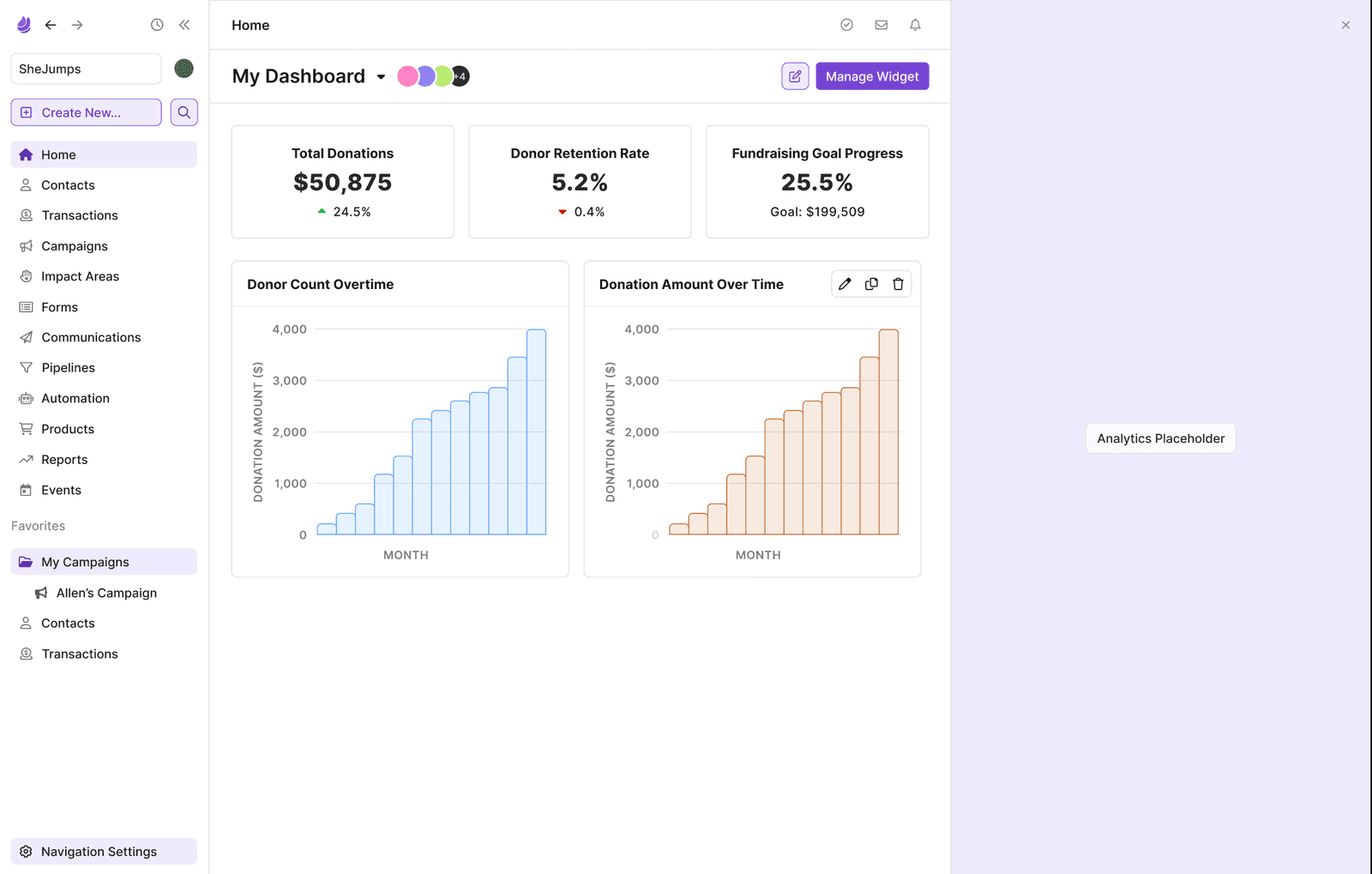
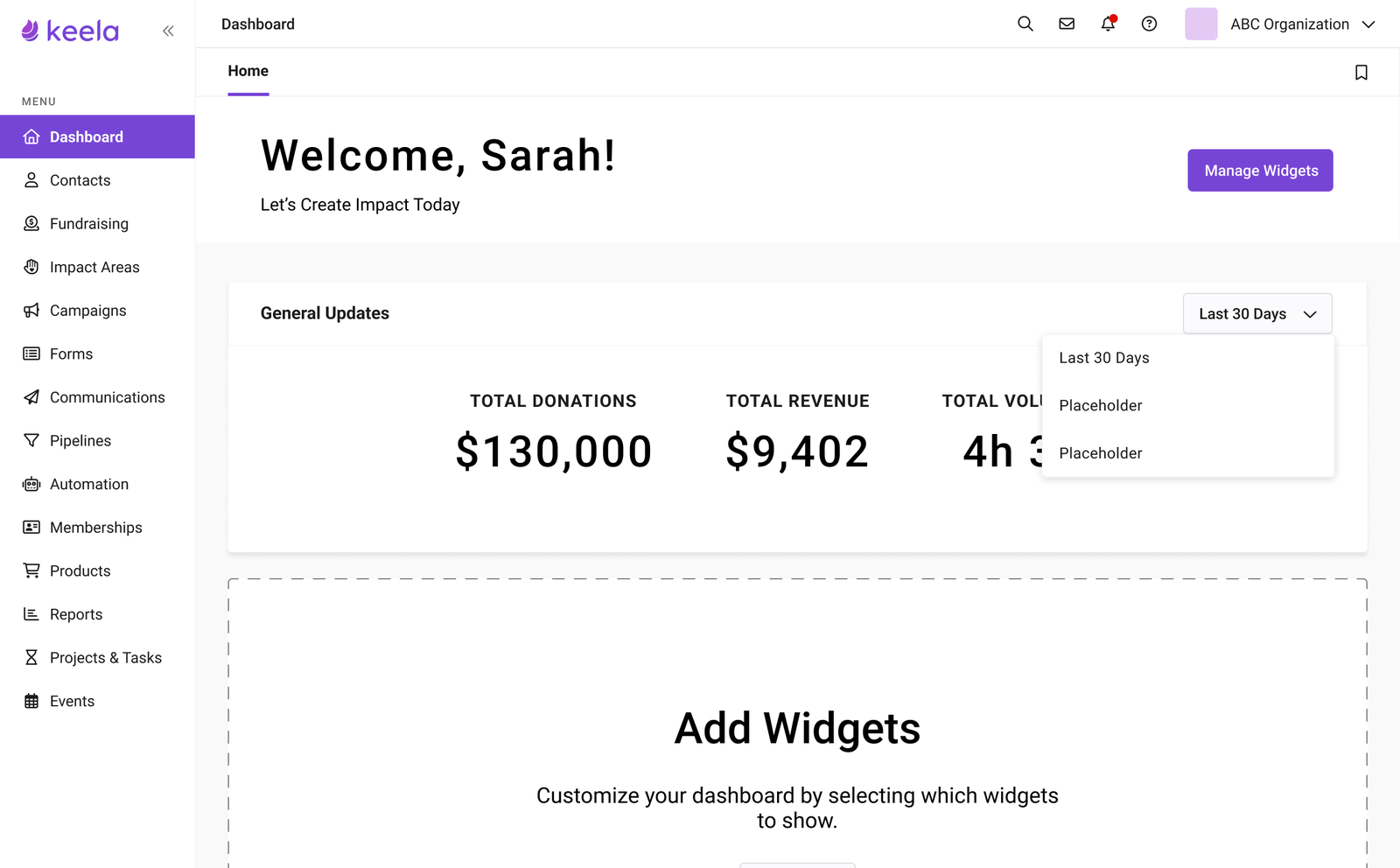
After Keela's acquisition by Aplos, three products needed to become one. Each had its own component libraries, color palettes, spacing scales, and interaction patterns. The inconsistency was visible to users and frustrating for the teams building across products.
But here's what I recognized early: this wasn't a design system problem. It was a culture problem. The real challenge was getting three teams with different histories and priorities to build on shared foundations. You can't mandate that.
Making the Case
Previous design system efforts had died because they couldn't secure dedicated engineering time. I pitched Orchid differently.
Before the pitch, I ran internal surveys across five departments: Engineering, Customer Care, Sales, Marketing, and Product. The goal was to surface recurring problems that leadership could see in their own teams' words, not just hear from design.
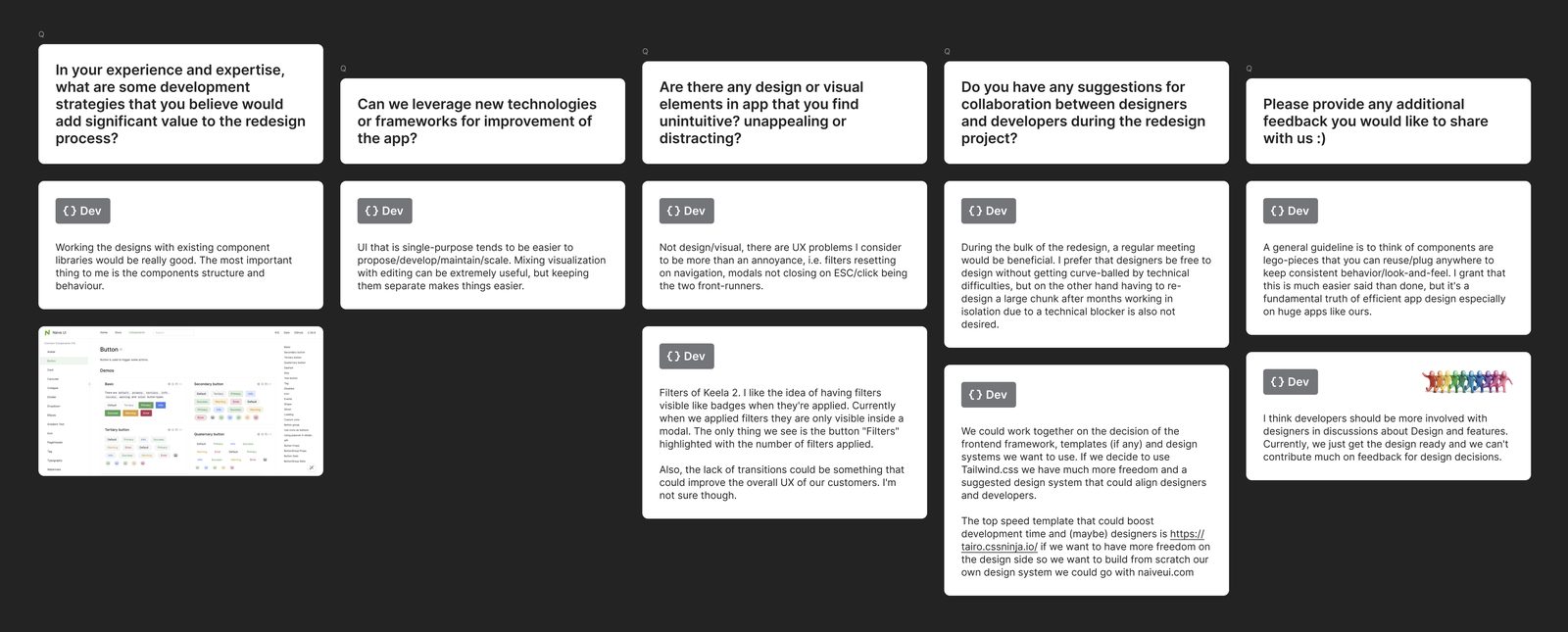
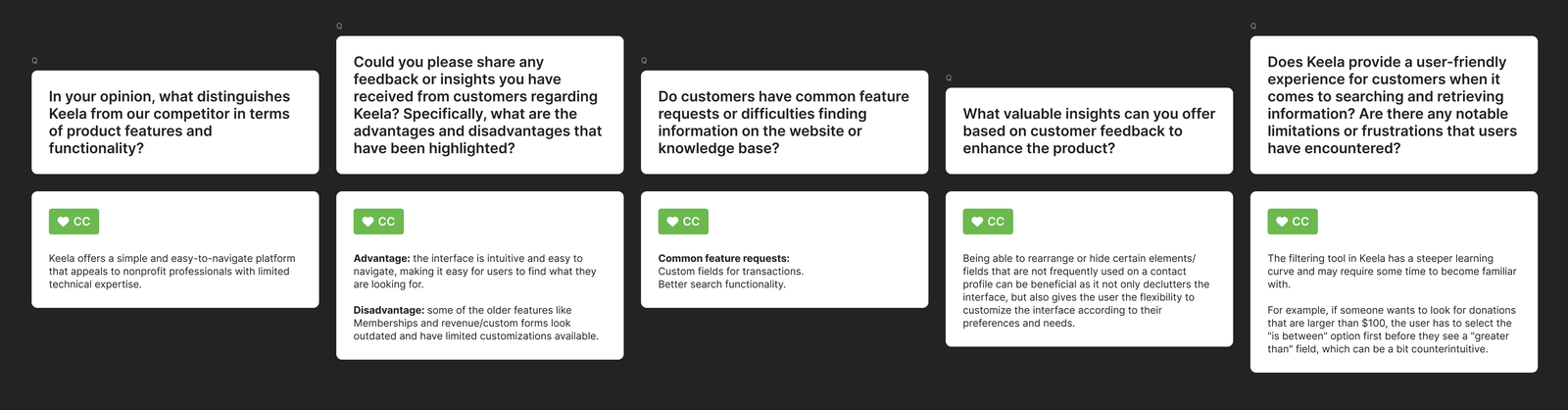
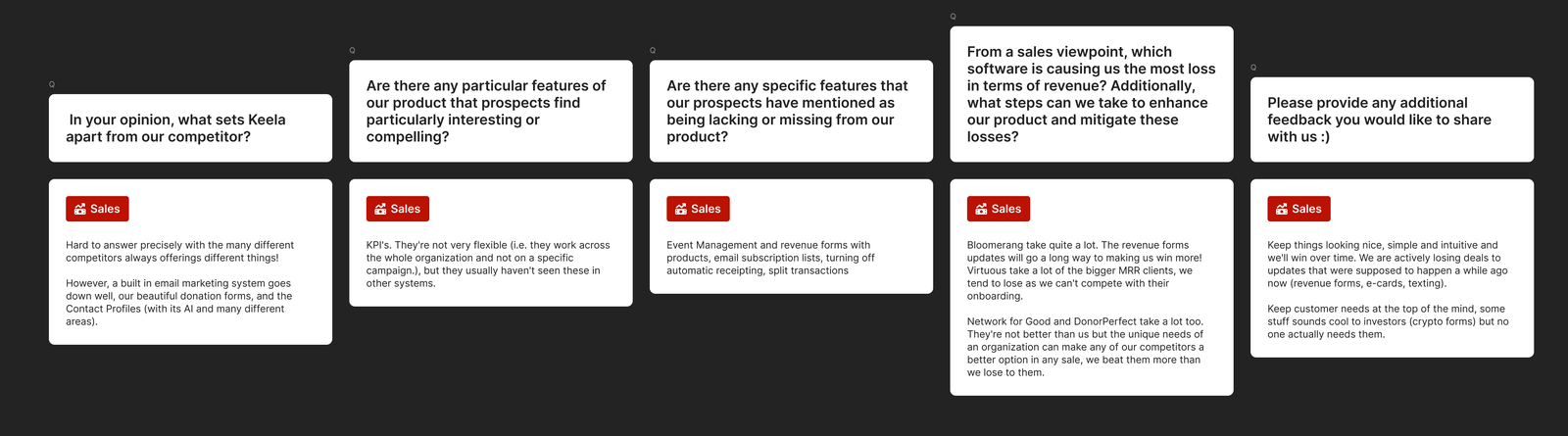
The survey data let me tie the design system investment to three concrete numbers: faster feature delivery, less QA rework, and a coherent experience that would smooth the product merger. We got two dedicated frontend engineers. First time a design system had earned that at Keela.
How We Built It
The Audit
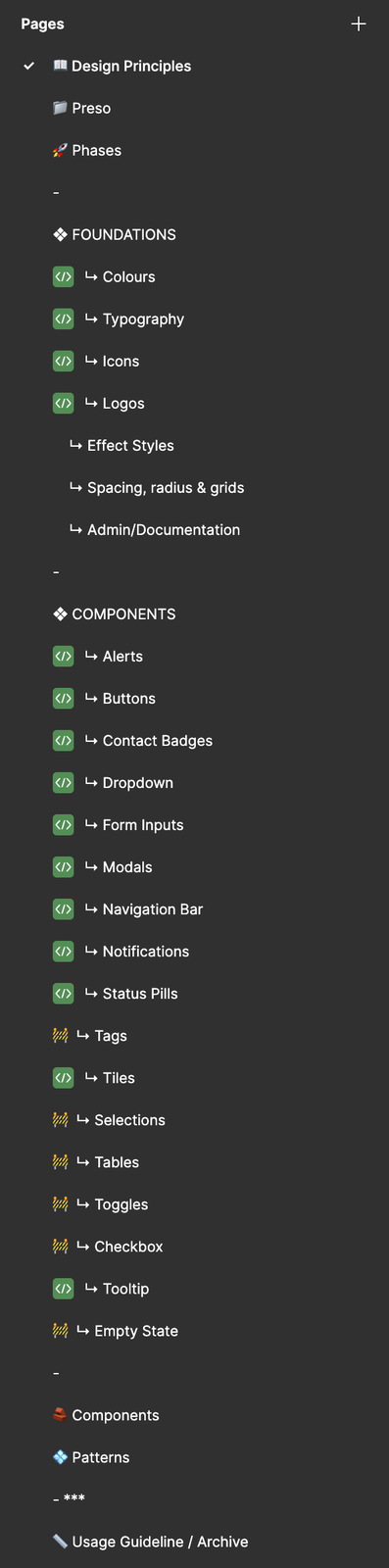
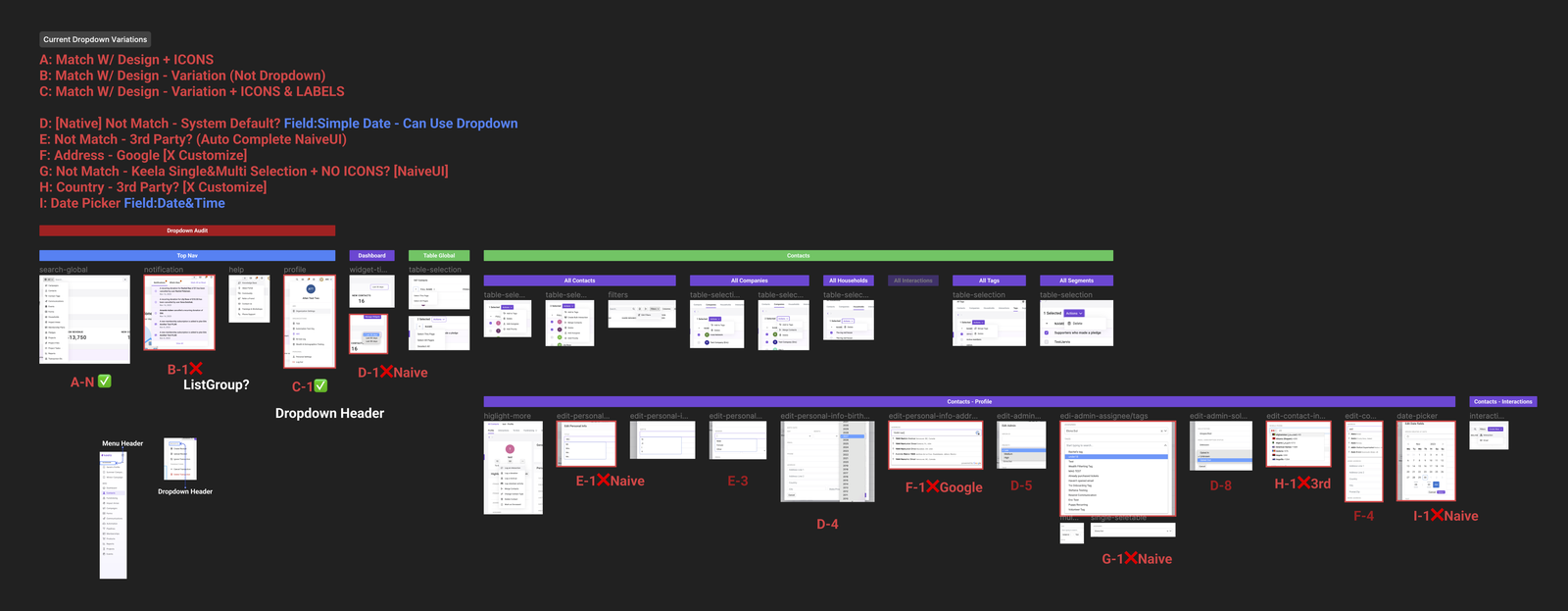
I ran a full inventory across all three products: 340+ unique components. Through workshops with each team (not presentations to them), we distilled those down to 86 foundational primitives covering 95% of interface needs.
Tokens First
Orchid is built on a token foundation. Colors, spacing, typography, elevation, and motion are all defined as tokens flowing from Figma variables to code constants. This architecture enables theming, ensures design-dev parity, and provides the backbone for eventual product unification.
Storybook as Source of Truth
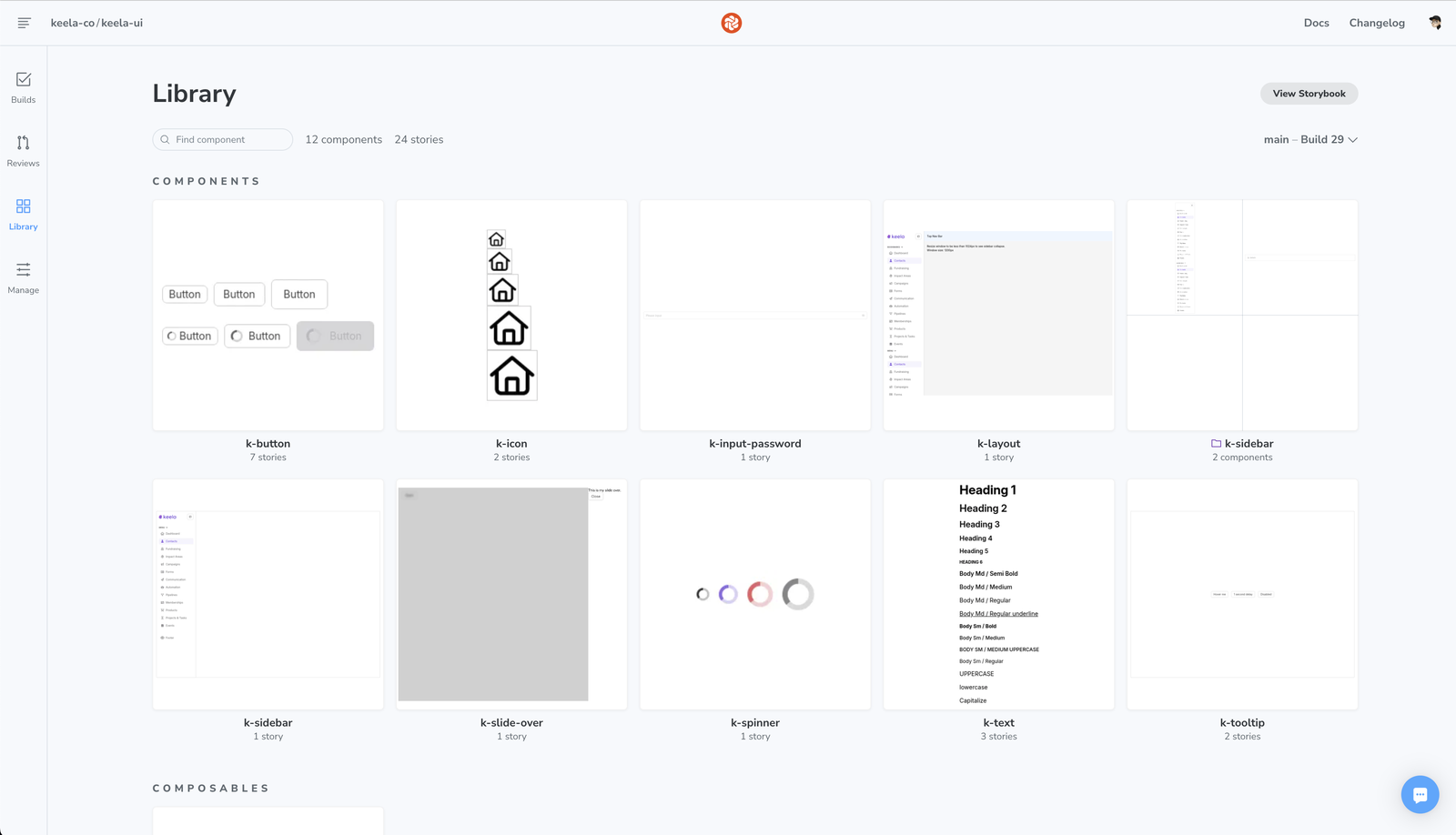
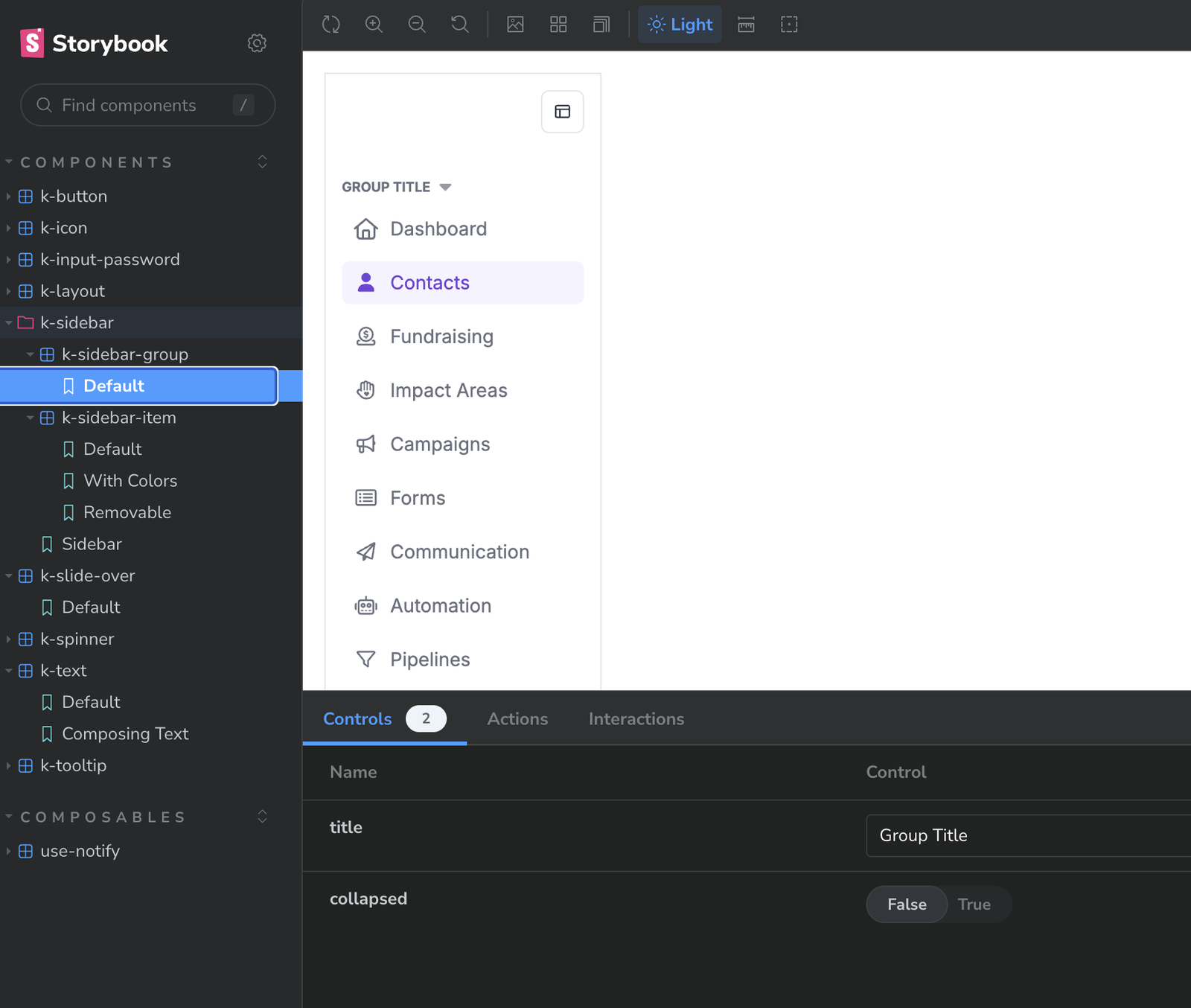
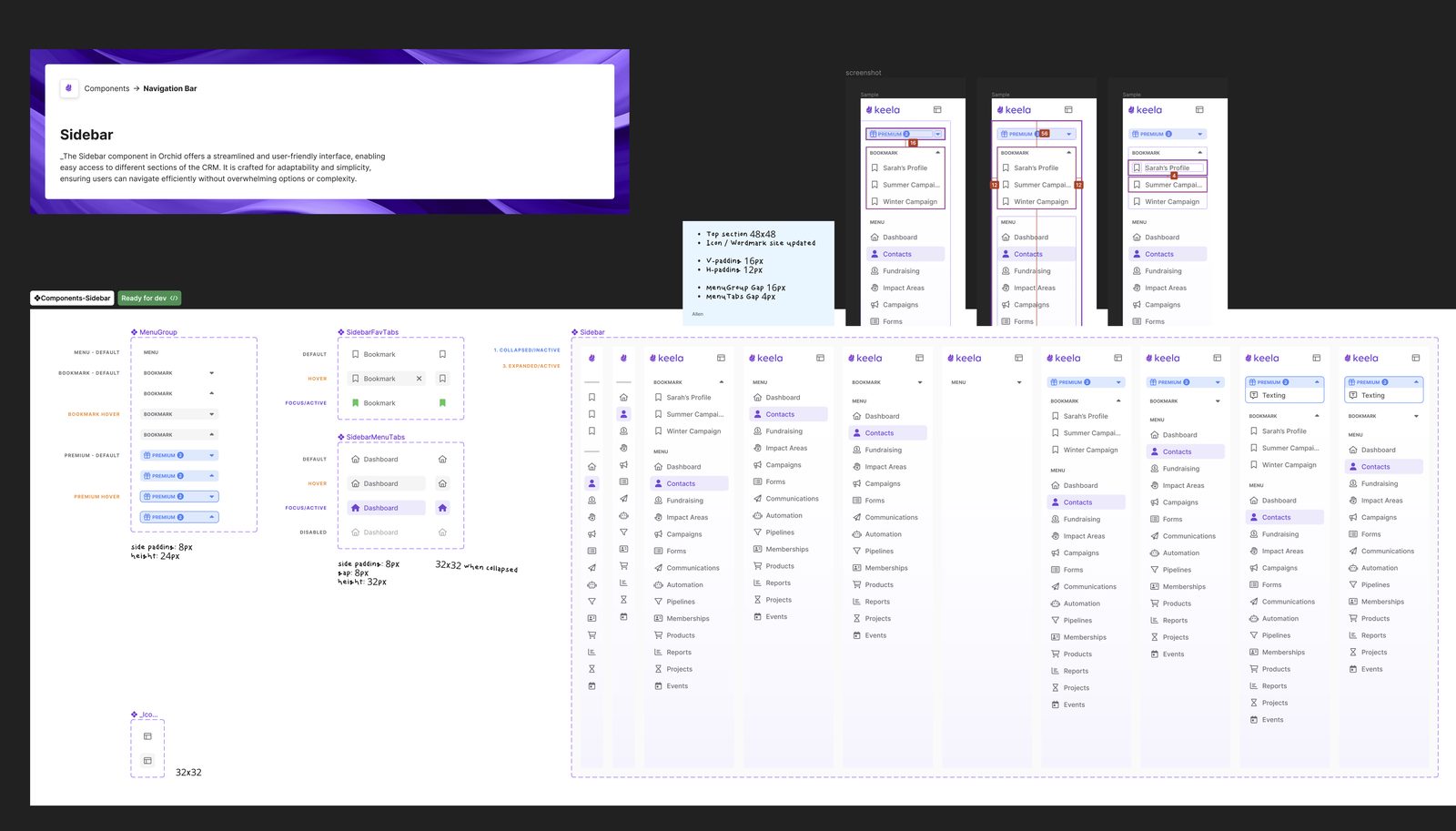
We adopted Storybook integrated with Chromatic to give the design team a workflow linked to GitHub. Components live in Storybook as the canonical reference for both design and engineering. Chromatic runs visual regression tests on every PR so inconsistencies surface before release, not after.
A Contribution Model That Actually Works
My first attempt at governance was too formal: proposal templates, committee reviews, multi-day turnarounds. Contribution proposals dropped to near zero. I simplified: async reviews, 48-hour turnaround, lightweight templates. Proposals doubled overnight. Governance should reduce friction, not create it. That was a hard lesson.
Getting Adoption Without Authority
I had no direct authority over most of the people who needed to adopt Orchid. What worked:
- Weekly office hours: drop-in sessions where anyone could get help migrating or propose components. These built relationships and gave real-time signal about what was actually hard.
- Paired adoption sprints: I sat with engineers during migration, pair-designing and debugging together. Teams adopted because Orchid was genuinely faster, not because it was required.
- Migration guides per product: meeting each team where they were, not where I wanted them to be. Each guide looked different because each codebase was different.
What Happened
- 40% faster component development for new features
- Adopted across all three products within 6 months
- 96% component reuse rate in new feature development
- 70% reduction in visual inconsistency bugs
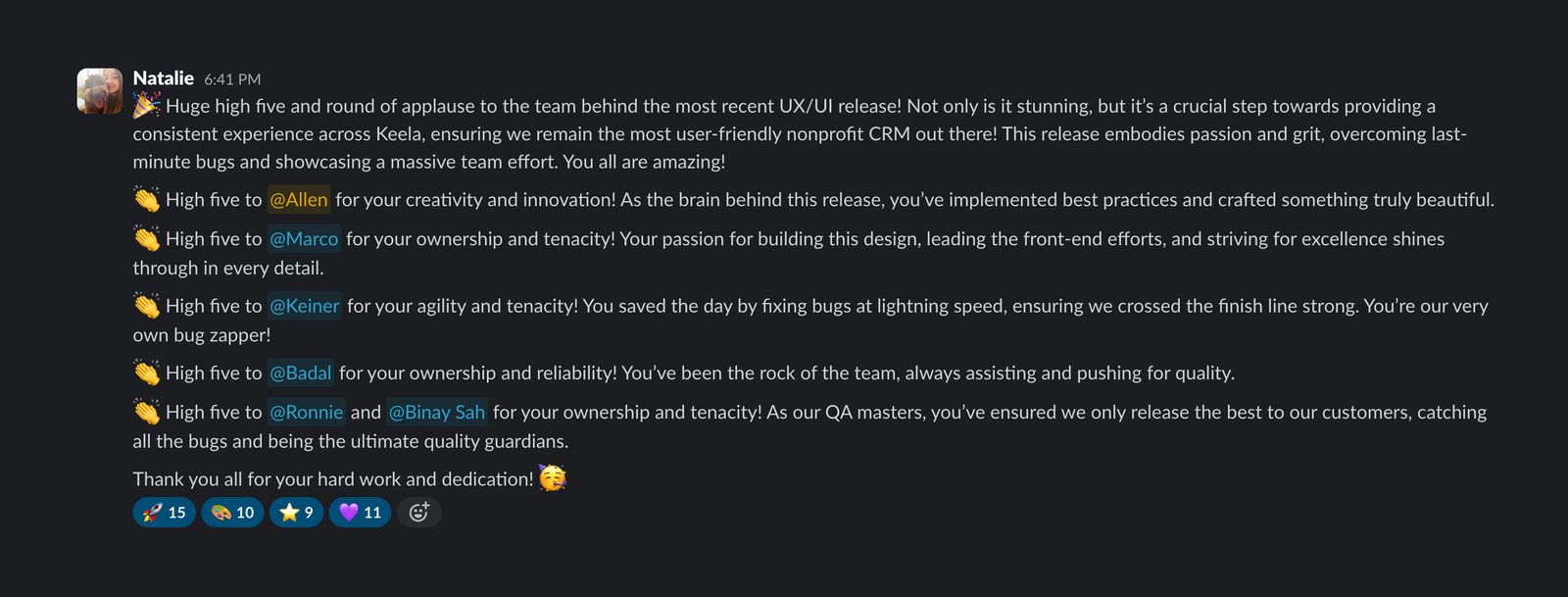
- 12+ designers and engineers contributing monthly
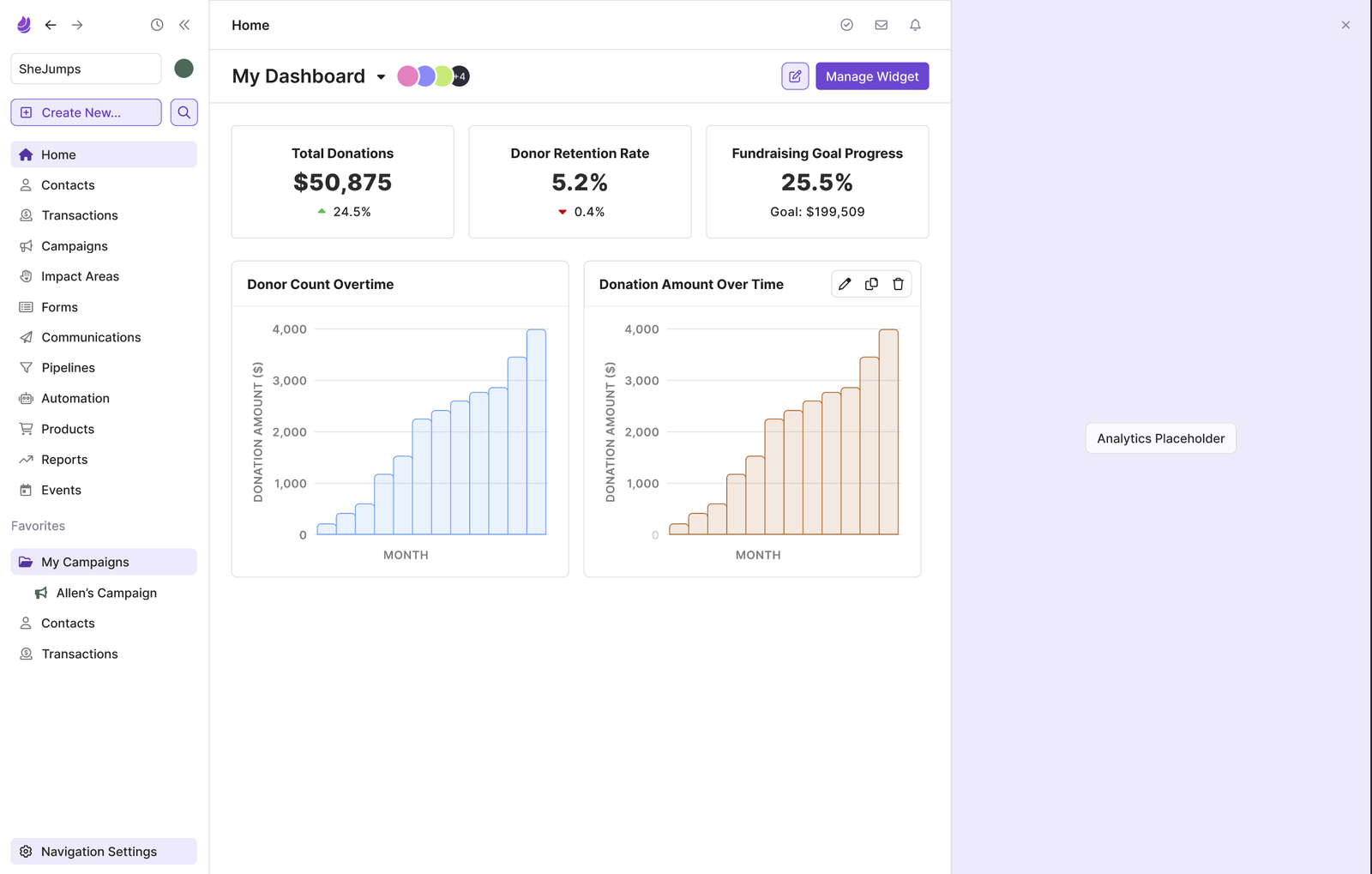
- Orchid is now the foundation for the unified product experience
A design system nobody contributes to is just a style guide with extra steps. The contribution model is what kept Orchid from becoming that.