Forkable: Making the Case for Systems Before Anyone Asked
A startup's design files had traveled through Photoshop, Sketch, and InVision, accumulating debt the product team didn't know it had. I migrated everything to Figma and built a foundation that paid for itself within months.
- Role
- Product Designer
- Timeline
- 2021 to 2022
- Team
- Lead Product Designer, Product Manager, UI Developer
- Tools
- Figma, Sketch, Adobe CC, InVision, JIRA
What I Walked Into
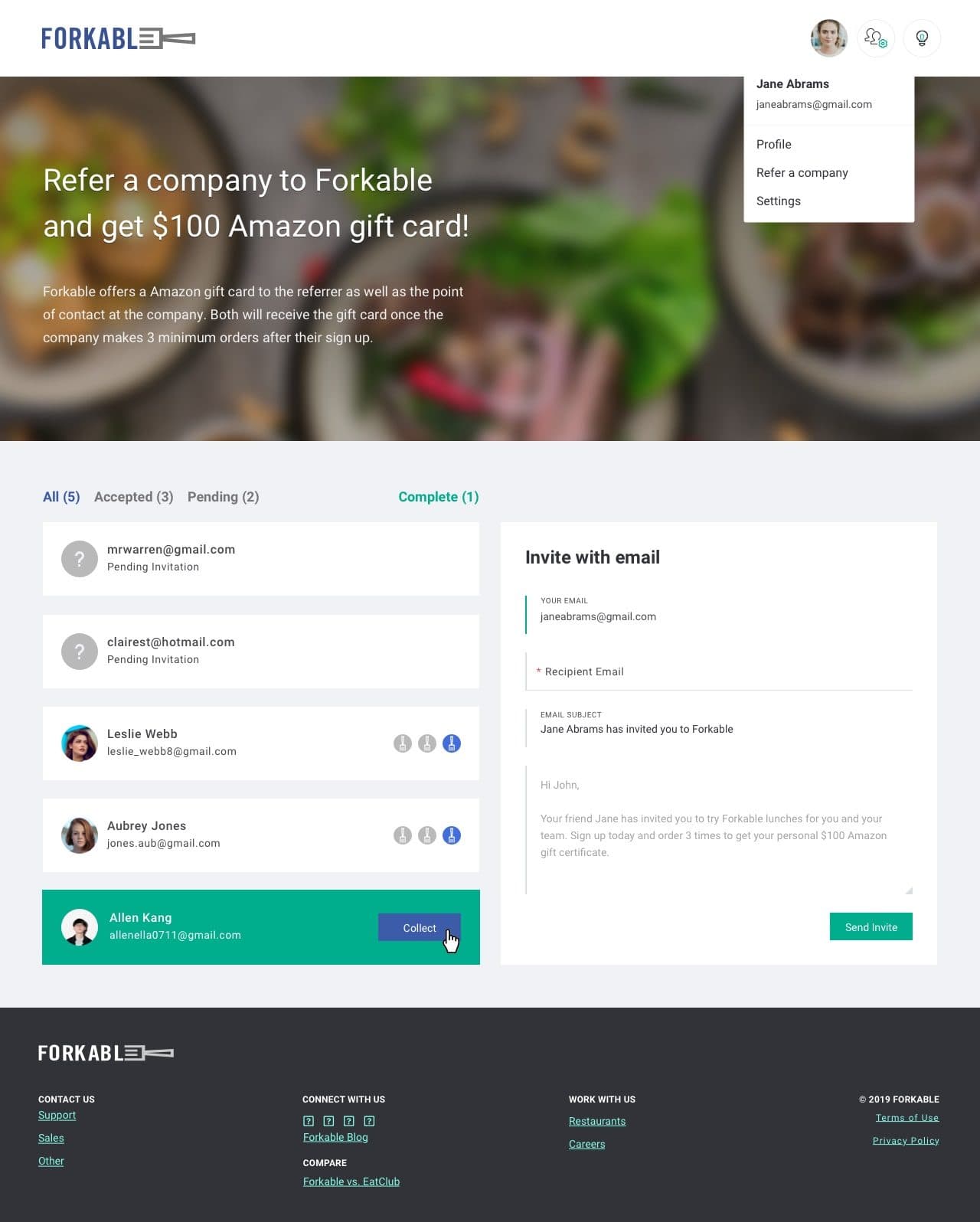
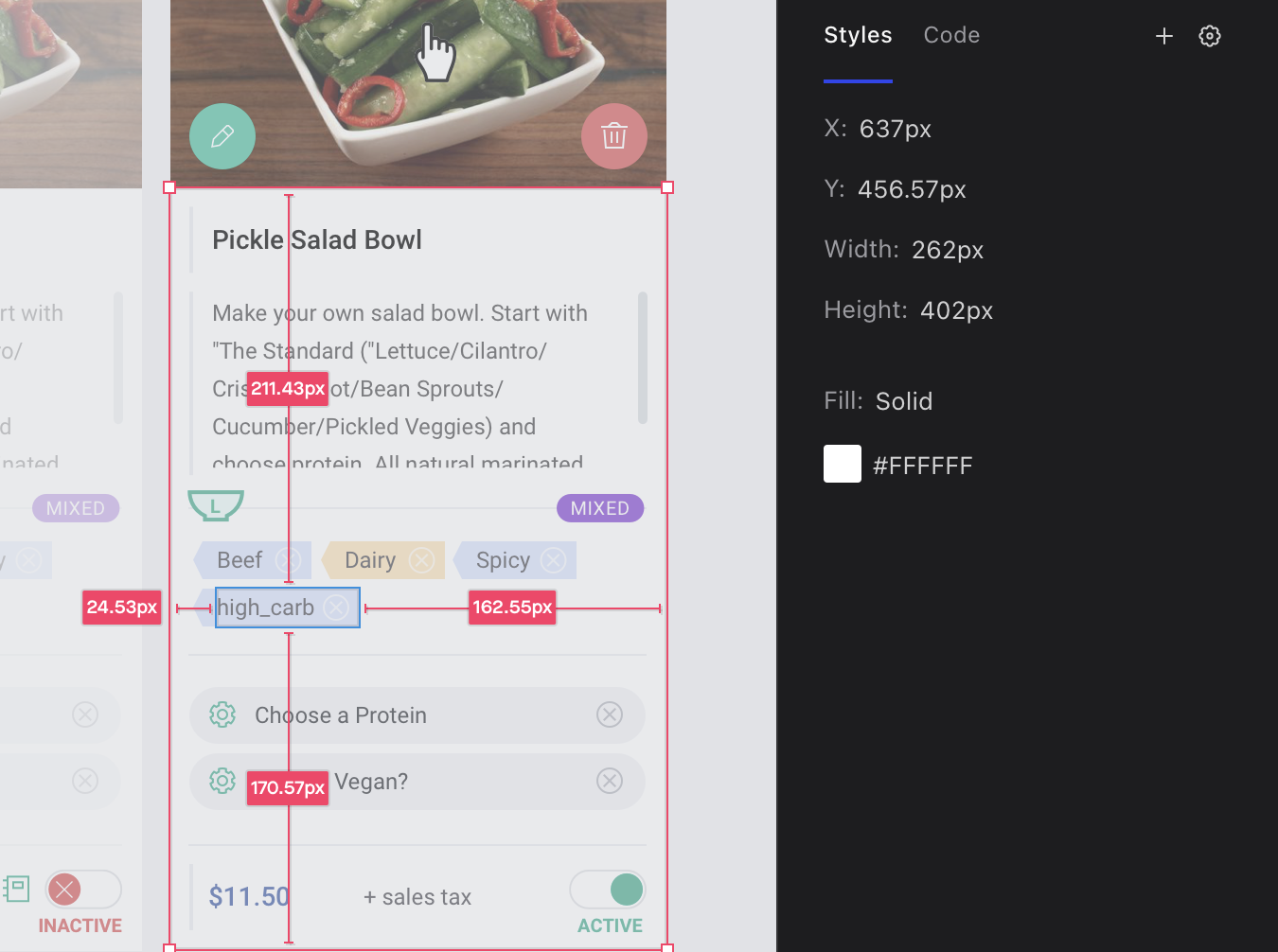
When I joined Forkable, the design files had already lived in three different tools: Photoshop (from 2015), Sketch, and InVision. Each migration left behind artifacts: decimal-point measurements that broke prototypes, outdated symbols duplicated across libraries, naming conventions that had long since lost their original logic.

The Argument I Had to Win
I was told early on that design system investment wasn't worth it at our scale. I disagreed.
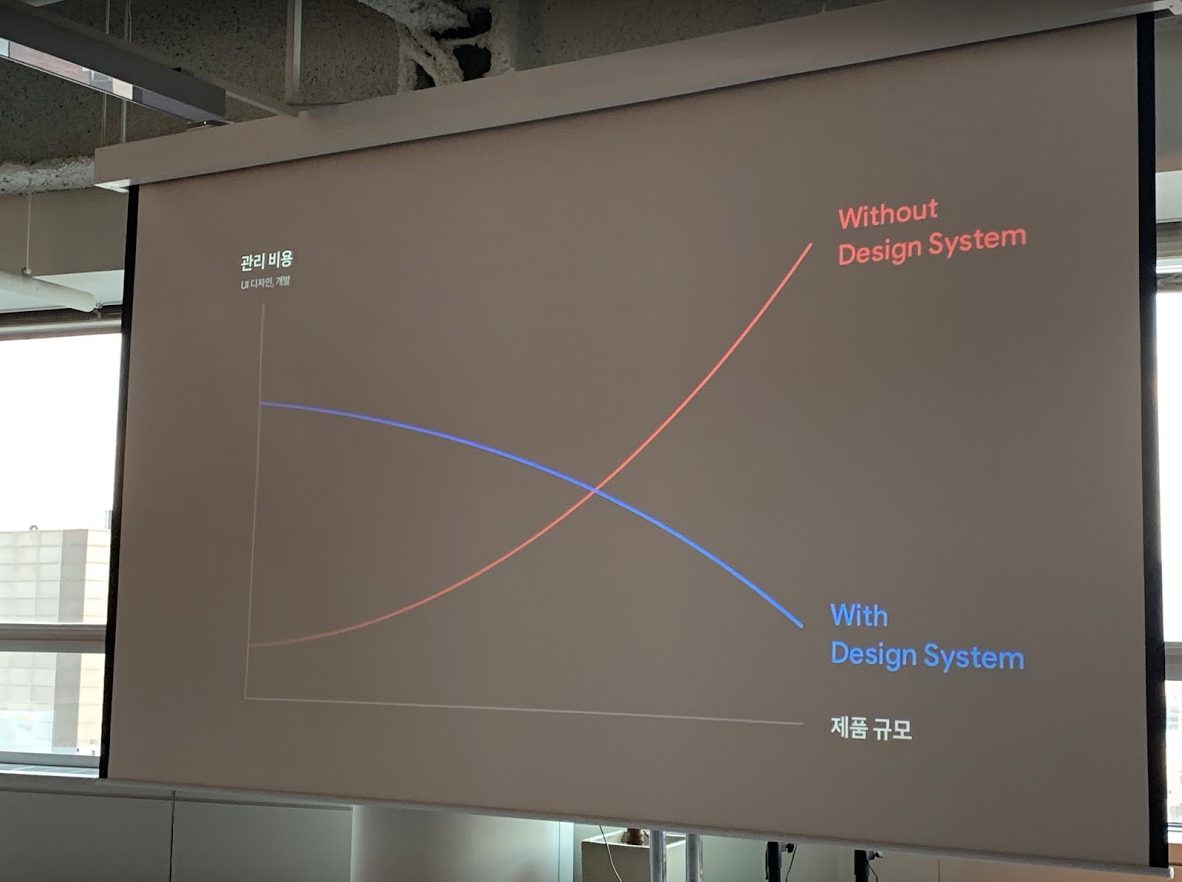
Startups that only focus on delivering tend to build on faulty foundations. When a problem surfaces, it's rooted deep. At some point, teams accept the debt and keep building on top of it. Companies that invest in systems early accept slower initial velocity in exchange for compounding returns.


I used Toss as an example: one of South Korea's fastest-growing fintechs spent months refining their design system and saved roughly 1,000 hours of design and development time in the six months after adopting it.
Leadership listened.
The Migration
I reached out to the development team on my own initiative. They'd already been maintaining internal system documents to keep repeated elements consistent in production, essentially a homemade design system. They knew Figma would be an improvement.
With mutual agreement, the Lead Designer continued in Sketch while I migrated and expanded the dev documents into Figma.
Learning the Product to Build for It
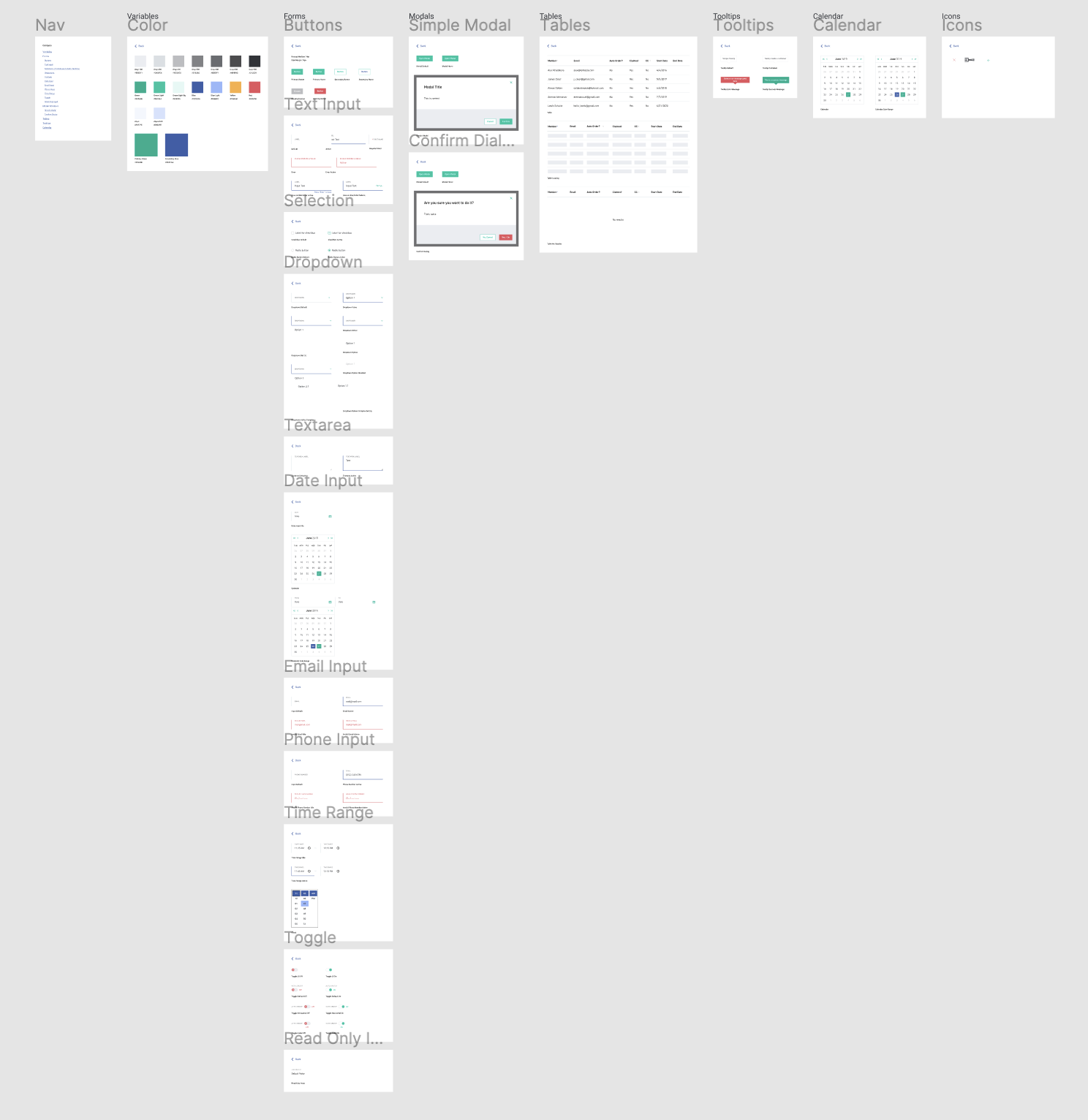
The first version was rough. Wrong groupings, generalized naming conventions, too much surface area before I fully understood the product. I started scheduling check-ins with the Director of Technology, PMs, and General Managers, walking through their roadmaps and where design-to-development handoffs were breaking down.
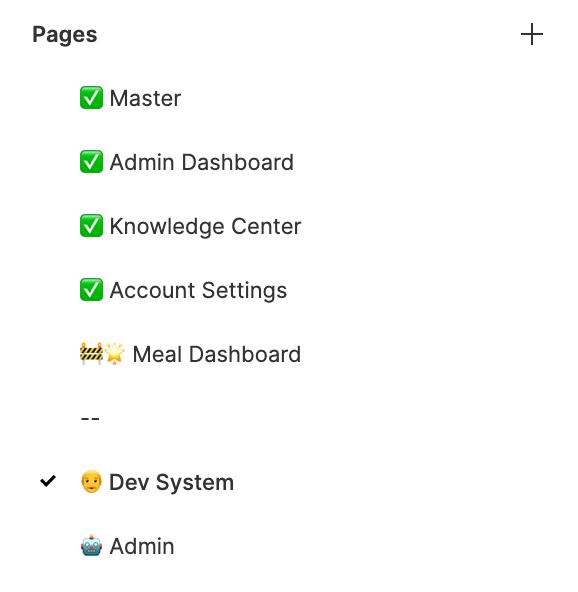
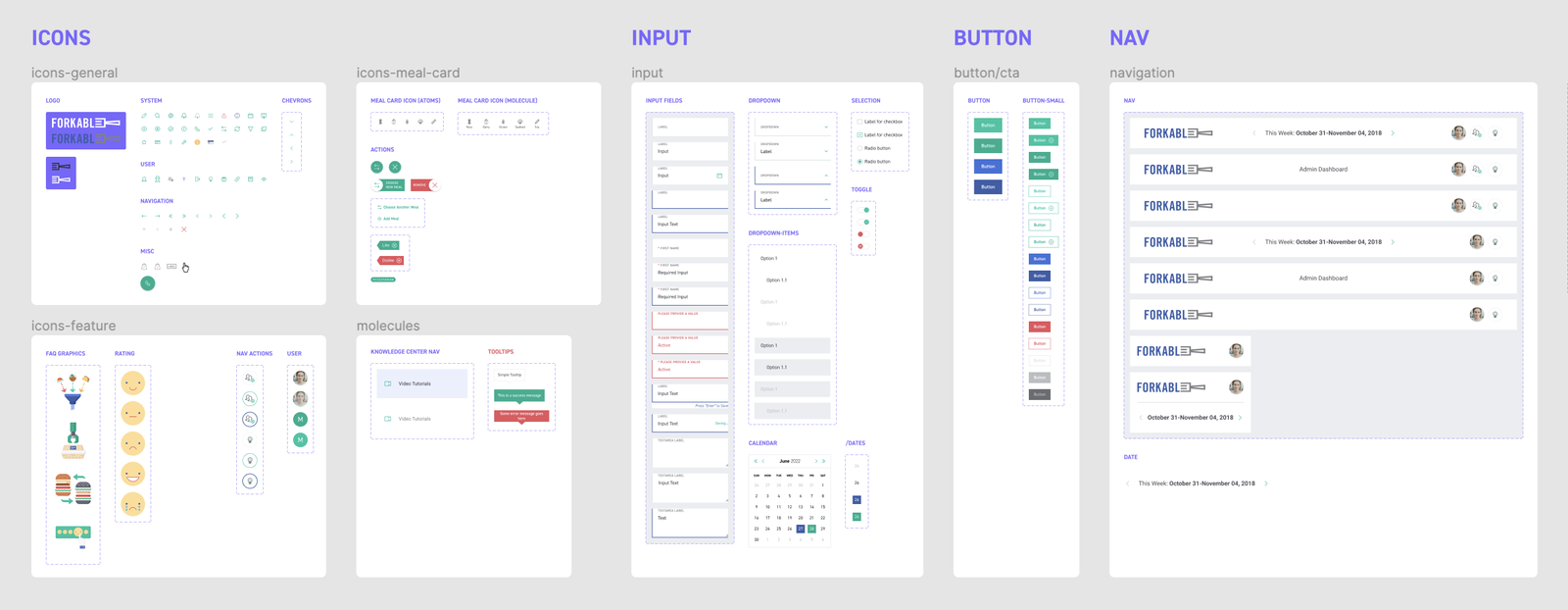
Those conversations led to a structural shift: organizing pages by feature rather than by component type.
What Came of It
The system grew in parallel with the product. Engineers accessed files directly, translated designs to code without back-and-forth, and caught component inconsistencies during QA rather than after release.
The proof was never going to be a number on a slide. It was that the team kept maintaining the system after I stopped asking them to, because by then they saw it as something alive, not a document I'd left behind.
Next project
2024 Wrapped→